

Nova Scotia Alt/Ren Energy & Ethics/Regulatory 30 PDH Discount Package
Solar Energy Introduction (R03-016)
Water Efficiency Management Guide for Mechanical Systems (M02-055)
Premium Efficiency Motor Selection and Application Guide (E07-002)
Improving Process Heating Systems Performance (M05-026)
Small Wind Electric Systems to Power Your Home (R03-017)
Home Tightening, Insulation and Ventilation (M02-058)
Biodiesel Handing and Use Guide (R04-008)
General Principles of Engineering Ethics & Statutes for Nova Scotia Professional Engineers (NS3-001)

This online engineering PDH course provides an overview of wind turbines and presents the basic features, components, types and operating principles of the most commonly used wind turbines in the industry.
Wind is a form of solar energy caused by a combination of three concurrent events: the sun unevenly heating the atmosphere, irregularities of the earth's surface, and the rotation of the earth. The terms "wind energy" and "wind power" both describe the process by which the wind is used to generate mechanical power or electricity. This mechanical power can be used for specific tasks (such as grinding grain or pumping water) or a generator can convert this mechanical power into electricity.
Wind turbines work on a simple principle: instead of using electricity to make wind—like a fan—wind turbines use wind to make electricity. Wind turns the propeller-like blades of a turbine around a rotor, which spins a generator, which creates electricity.
This 1 PDH online course is applicable to mechanical and electrical engineers and energy specialists who are interested in learning more about wind turbines and their basic operating principles.
This PE continuing education course is intended to provide you with the following specific knowledge and skills:
- Familiarizing with the process by which the wind is used to generate mechanical power or electricity
- Learning about the different components of a wind turbine
- Understanding the operating principles of a wind turbine
- Learning about the different types and applications of wind turbines
- Gaining a general overview of hybrid wind and solar electric systems
Upon successful completion of the quiz, print your Certificate of Completion instantly. (Note: if you are paying by check or money order, you will be able to print it after we receive your payment.) For your convenience, we will also email it to you. Please note that you can log in to your account at any time to access and print your Certificate of Completion.

This online engineering PDH course provides an overview of solar electromagnetic radiation and presents the fundamental solar parameters and the different methods for calculating them.
Solar energy travels from the sun to the earth in the form of electromagnetic radiation. In this course, properties of electromagnetic radiation will be discussed, and basic calculations for electromagnetic radiation will be presented. Moreover, several solar position parameters, as well as the major methods by which solar radiation is converted into other useable forms of energy will be discussed.
Finally, information will be presented on the use of websites to obtain values for yearly average solar insolation, monthly average insolation, or daily insolation at a specified location in the United States, or anywhere around the world.
This 3 PDH online course is applicable to mechanical, electrical, chemical and energy engineers and architects who interested in learning more about the renewable energy field.
This PE continuing education course is intended to provide you with the following specific knowledge and skills:
- Familiarizing with the different types of electromagnetic radiation
- Knowing how to calculate the wavelength and frequency for a specified electromagnetic radiation
- Knowing the meaning of absorbance, reflectance and transmittance as applied to a surface receiving electromagnetic radiation
- Learning how to obtain and calculate values for solar declination, solar hour angle, solar altitude angle, sunrise and sunset angle
- Understanding the major methods by which solar radiation is converted into other useable forms of energy
- Knowing how to use websites to obtain values of relevant solar parameters at a specified location in the United States or anywhere around the world
Upon successful completion of the quiz, print your Certificate of Completion instantly. (Note: if you are paying by check or money order, you will be able to print it after we receive your payment.) For your convenience, we will also email it to you. Please note that you can log in to your account at any time to access and print your Certificate of Completion.

This online engineering PDH course presents guidelines on how to reduce mechanical system water use in residential buildings. Mechanical systems are frequently utilized to provide heating and cooling for residential properties. They typically fall into two categories: centralized and decentralized systems.
Centralized mechanical systems provide heating and cooling from a central location, such as a mechanical room or utility penthouse. These systems are more common in mid- and high-rise multifamily properties and can include cooling towers, boilers, and steam systems, each of which uses water as the heat transfer medium. As a result, the use of water for building heating and cooling can be significant and using sound management practices is a good opportunity for water savings.
Decentralized mechanical systems treat each unit of a multifamily property as its own space, as if each unit were a stand-alone single-family residence. These systems do not typically use process water, so they are not the focus of this water efficiency management guide.
This 2 PDH online course is intended for mechanical, environmental and civil engineers, as well as other technical personnel who are interested in learning more about reducing water use in mechanical systems.
This P.Eng. continuing education course is intended to provide you with the following specific knowledge and skills:
- Understanding the basics principles behind single-pass cooling, cooling towers and boiler/steam systems
- Understanding mechanical system water use
- Familiarizing with the maintenance and best management practices
- Knowing the mechanical systems retrofit and replacement options
- Familiarizing with the water savings calculations and assumptions
Upon successful completion of the quiz, print your Certificate of Completion instantly. (Note: if you are paying by check or money order, you will be able to print it after we receive your payment.) For your convenience, we will also email it to you. Please note that you can log in to your account at any time to access and print your Certificate of Completion.
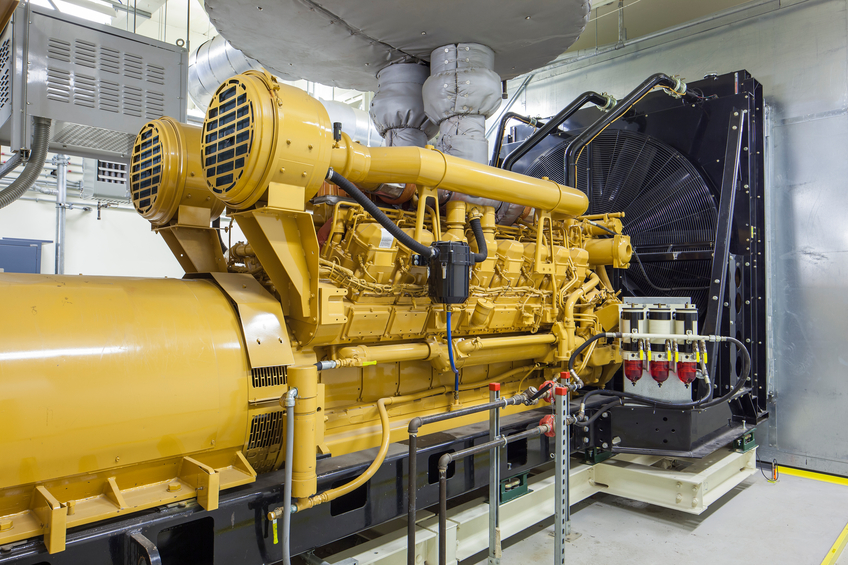
This online engineering PDH course provides guidance in new motor purchase decisions, and helps in identifying the energy and cost savings for motors that should be replaced with premium efficiency units.
The National Electrical Manufacturers Association (NEMA) adopted a NEMA Premium® efficiency motor standard in August of 2001. A motor can be marketed as a NEMA Premium motor if it meets or exceeds a set of minimum full-load efficiency levels.
These premium efficiency motor standards cover the 1 horsepower (hp) to 500 hp three-phase low-voltage NEMA Design A and B general, special, and definite purpose induction motors that are in widespread use in U.S. industrial facilities. The energy savings from replacing in-service standard and energy efficient motors with premium efficiency motor models can be substantial.
This 7 PDH online course is applicable to electrical and mechanical engineers and professionals who are interested in learning more about the performance, properties, selection and applications of premium efficiency motors.
This PE continuing education course is intended to provide you with the following specific knowledge and skills:
- Familiarizing with the in-service motor population and motor uses in the industrial sector
- Understanding the evolution of voluntary and mandatory motor efficiency standards
- Learning how to evaluate motor efficiency opportunities, address application considerations, and determine cost-effectiveness
- Gaining an overview of currently available and emerging advanced “Super Premium” efficiency motor technologies
- Understanding the preventive and predictive maintenance activities necessary to keep premium efficiency motors operating at peak efficiency
Upon successful completion of the quiz, print your Certificate of Completion instantly. (Note: if you are paying by check or money order, you will be able to print it after we receive your payment.) For your convenience, we will also email it to you. Please note that you can log in to your account at any time to access and print your Certificate of Completion.
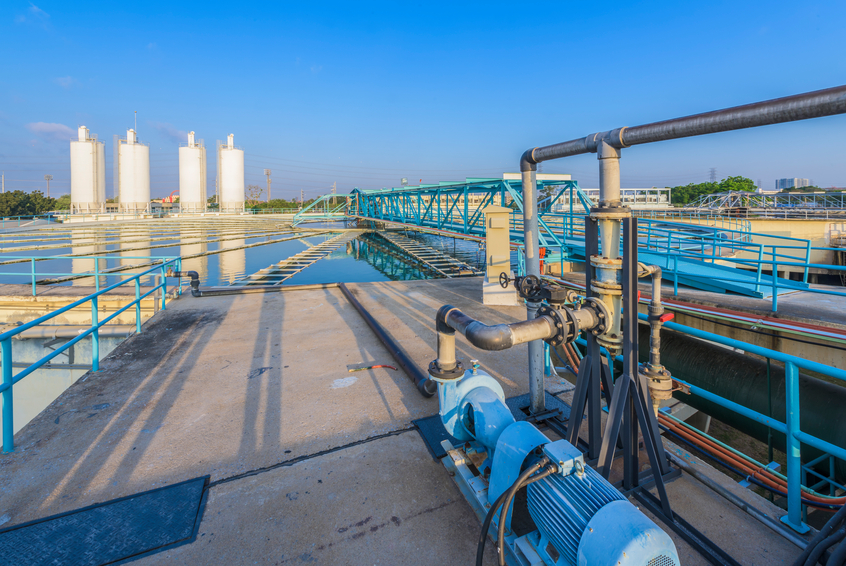
This online engineering PDH course describes basic process heating applications and equipment, and outlines opportunities for energy and performance improvements. It also discusses the merits of using a systems approach in identifying and implementing these improvement opportunities for Fuel-Based and Electric-Based heating systems. Furthermore, it provides recommendations to financially justify process heating improvement projects (System Economics).
Process heating is essential in the manufacture of most consumer and industrial products, including those made out of metal, plastic, rubber, carbon fiber, concrete, glass, and ceramics. Process heating systems are broken into three basic categories: Fuel-Based Process Heating, Electric-Based Process Heating, and Steam-Based Process Heating all of which are discussed in details.
This 5 PDH online course is applicable to mechanical, industrial and process engineers, designers, manufacturers and all personnel involved in the planning, design and installation of process heating systems.
This P.Eng. continuing education course is intended to provide you with the following specific knowledge and skills:
- Understanding the basics behind process heating operations
- Familiarizing with the common types of process heating systems and equipment
- Recognizing efficiency opportunities for fuel-based and electric-based heating systems
- Learning how to financially justify process heating improvement projects
Upon successful completion of the quiz, print your Certificate of Completion instantly. (Note: if you are paying by check or money order, you will be able to print it after we receive your payment.) For your convenience, we will also email it to you. Please note that you can log in to your account at any time to access and print your Certificate of Completion.
This online engineering PDH course provides basic information about small wind electric systems to help you decide if wind energy will work for you.
Wind is created by the unequal heating of the Earth's surface by the sun. Wind turbines convert the kinetic energy in wind into mechanical power that runs a generator to produce clean electricity.
Can I use wind energy to power my home? More people across the country are asking this question as they look for a hedge against increasing electricity rates and a way to harvest their local wind resources. Although wind turbines large enough to provide a significant portion of the electricity needed by the average U.S. home generally require 1 acre of property or more, approximately 19.3% of the U.S. population lives in rural areas and may own land parcels large enough to accommodate a wind energy system.
This 3 PDH online course is applicable to electrical and mechanical engineers and energy professionals who are interested in learning more about small wind electric systems.
This PE continuing education course is intended to provide you with the following specific knowledge and skills:
- Familiarizing with wind energy, terminology, and basic principles of wind turbines
- Understanding the different ways to make a home more energy efficient
- Understanding how and when small wind energy systems provide a practical and economical source of electricity
- Learning about the size of wind turbines required for specific applications
- Learning about the basic parts of a small wind electric system
- Knowing where to find certified small wind turbines, as well as installation and maintenance support
- Calculating how much energy a wind electric system will generate
- Gaining a general overview of hybrid wind energy systems
Upon successful completion of the quiz, print your Certificate of Completion instantly. (Note: if you are paying by check or money order, you will be able to print it after we receive your payment.) For your convenience, we will also email it to you. Please note that you can log in to your account at any time to access and print your Certificate of Completion.
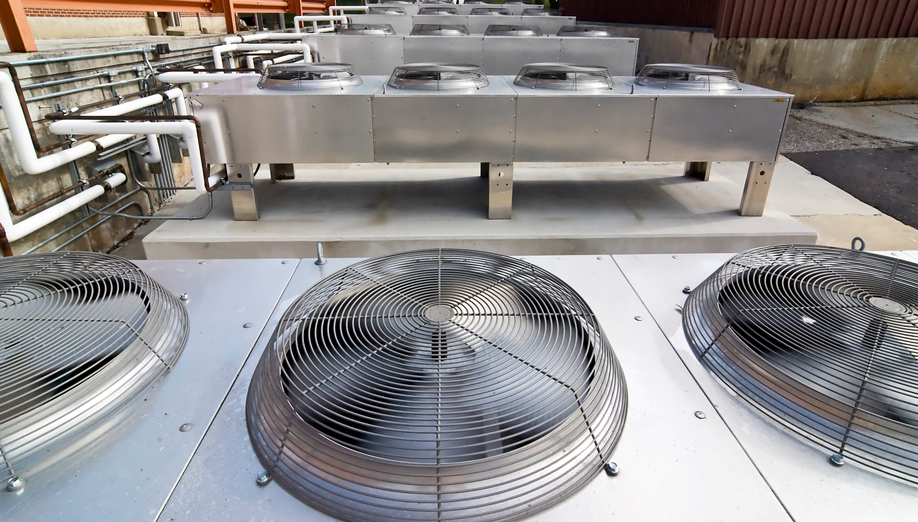
This online engineering PDH course provides information on the inspection, control and management of air leaks and presents the proper insulation and ventilation processes that make your home more comfortable and energy efficient.
The average family spends around half of its annual household energy bill on heating and cooling. This significant number can be dramatically reduced by making some simple energy-saving weatherization and insulation improvements to your home.
Air leaks through the ceiling, walls, foundations and other areas are typically the greatest sources of heating and cooling losses in a home. Insulation slows down the heat flow through a building’s envelope. Proper ventilation protects your home from moisture damage during winter and reduces heat buildup during summer. So, controlling air leaks, having the appropriate insulation and proper ventilation help in extending the life of your home, conserve energy, save money and increase your home’s overall comfort.
This 2 PDH online course is applicable to HVAC and mechanical engineers who are interested in learning about controlling air leaks, understanding the proper insulation and ventilation processes in homes.
This P.Eng. continuing education course is intended to provide you with the following specific knowledge and skills:
- Familiarizing with major sources of air leaks in a typical home
- Learning about different sealing materials, their main characteristics and applications
- Learning about insulation and its role in creating an energy-saving thermal envelope for a home
- Understanding the main characteristics of the different types of insulating materials
- Understanding the important role of ventilation in protecting homes year-round
Upon successful completion of the quiz, print your Certificate of Completion instantly. (Note: if you are paying by check or money order, you will be able to print it after we receive your payment.) For your convenience, we will also email it to you. Please note that you can log in to your account at any time to access and print your Certificate of Completion.
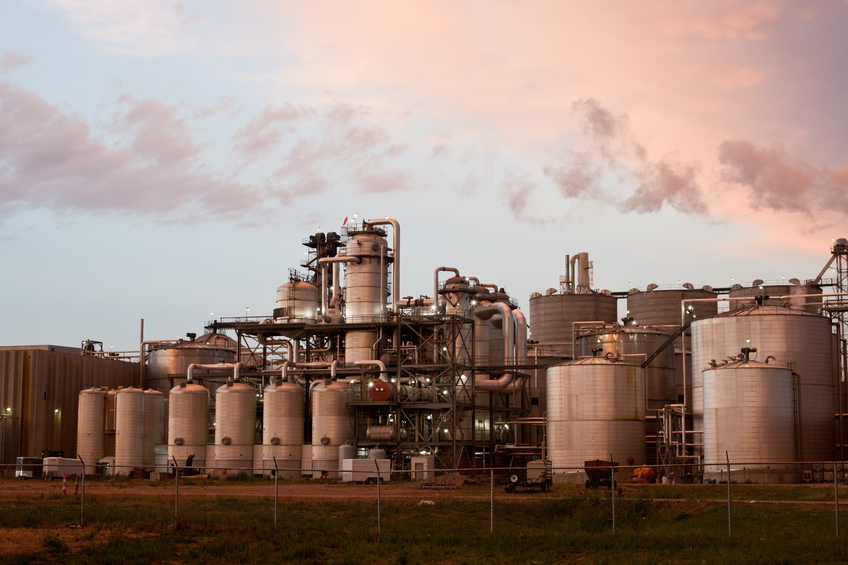
This online engineering PDH course provides an overview of biodiesel blends, the advantages of using biodiesel, precautions for use of biodiesel during cold weather, and the proper procedures for handling and use of biodiesel. This course also provides detailed information on biodiesel testing requirements and compatibility issues.
Biodiesel is a diesel replacement fuel for use in diesel engines. It is manufactured from plant oils, animal fats, and recycled cooking oils, is most commonly used as a blend with petroleum diesel in compression-ignition engines. Some of the advantages of Biodiesel are that it is renewable, can reduce greenhouse gases, compatible with new technology diesel engines, nontoxic, biodegradable, and suitable for sensitive environments.
This 4 PDH online course is intended primarily for energy, chemical, environmental, mechanical, civil and industrial engineers. Someone completing this course will gain knowledge about the use and handling of biodiesel.
This P.Eng. continuing education course is intended to provide you with the following specific knowledge and skills:
- Understanding the sources and processing of biodiesel
- Learning about the benefits and attributes of biodiesel
- Familiarizing with Physical properties of biodiesel as compared to No. 2 diesel
- Understanding the ASTM D6751 standards for biodiesel quality
- Learning about the material compatibility issues for biodiesel
- Learning about the cold-weather issues for biodiesel
- Understanding how to properly blend, store, and transport biodiesel
- Learning about the engine and equipment warranties involved with biodiesel use
- Learning about the taxes and incentives for biodiesel
- Familiarizing with basic safety, health, and environmental issues for biodiesel
- Understanding the fire safety and firefighting considerations
Upon successful completion of the quiz, print your Certificate of Completion instantly. (Note: if you are paying by check or money order, you will be able to print it after we receive your payment.) For your convenience, we will also email it to you. Please note that you can log in to your account at any time to access and print your Certificate of Completion.

This online engineering CPD course examines the moral frameworks and legal statutes that govern professional engineering practice in Nova Scotia.
This course interprets the core tenets of the official Code of Ethics, emphasizing the paramountcy of public safety, health, and environmental protection in technical decision-making. It navigates the regulatory landscape defined by the Engineering Profession Act and Association By-Laws, detailing the mandates for licensure, the lawful use of professional seals, and mandatory continuing development.
Furthermore, the course examines the administrative mechanics of the complaint and disciplinary process while analyzing real-world case studies, ranging from fraudulent stamping to professional negligence, to illustrate the legal and professional repercussions of ethical failure.
This 3 CPD online course is applicable to Professional Engineers licensed in the Province of Nova Scotia who are required to demonstrate continuing professional competency in engineering ethics as a condition for their license renewal.
This PE continuing education engineering course is intended to provide you with the following specific knowledge and skills:
- Interpreting the fundamental canons of the Nova Scotia Engineering Code of Ethics to ensure engineering conduct aligns with public welfare, integrity, and the environment.
- Navigating the requirements of the Engineering Profession Act regarding membership eligibility, licensing for non-residents, and the mandatory application of professional seals.
- Managing institutional compliance with mandatory continuing professional development (CPD) guidelines and the administrative regulations established by the Council.
- Analyzing the procedural stages of the complaint and disciplinary framework, from the initial investigation by the Complaints Committee to the issuance of formal disciplinary orders.
- Evaluating historical disciplinary cases to identify common ethical pitfalls, such as illegal practice by non-members, technical incompetence, and the impact of criminal convictions on professional standing
In this professional engineering CEU course, you need to review the course document titled “General Principles of Engineering Ethics & Statutes for Nova Scotia Professional Engineers”.
Once you complete your course review, you need to take a multiple-choice quiz consisting of ten (15) questions to earn 3 PDH credits. The quiz will be based on the entire course document.
Upon successful completion of the quiz, print your Certificate of Completion instantly. (Note: if you are paying by check or money order, you will be able to print it after we receive your payment.) For your convenience, we will also email it to you. Please note that you can log in to your account at any time to access and print your Certificate of Completion.