

Nova Scotia Environmental & Ethics/Regulatory 30 PDH Discount Package
In Situ Thermal Remediation - Part 1 (C09-006)
U.S. EPA Significant New Use Rule & ECC Canada / Health Canada Significant New Activity Provisions (H04-003)
General Principles of Engineering Ethics & Statutes for Nova Scotia Professional Engineers (NS3-001)
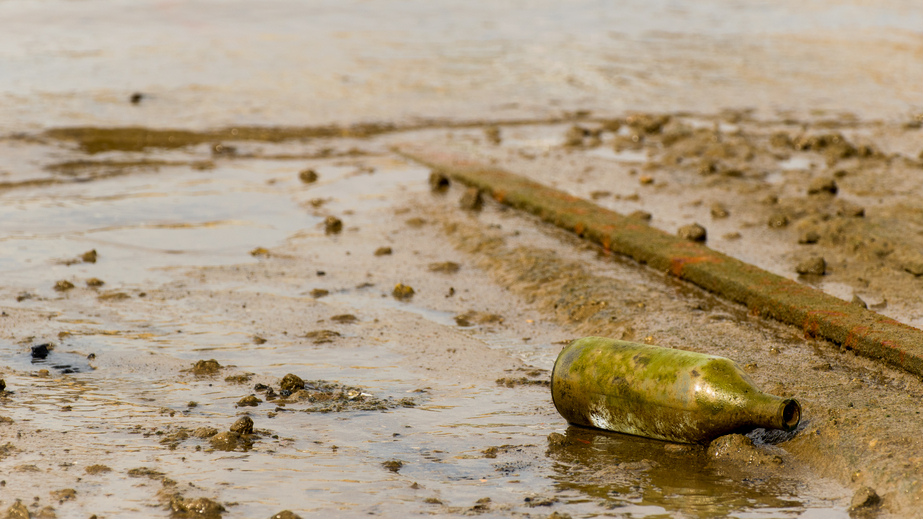
This online engineering PDH course provides guidance for evaluation of the feasibility of in-situ air sparging (IAS) for remediation of contaminated groundwater and soil. This course also describes design and operational considerations for IAS systems.
In-Situ Air Sparging (IAS) is a rapidly emerging remediation technology for treating contaminants in saturated zone soils and groundwater. It is a relatively easy technology to implement and it is well known to regulatory agencies. IAS involves the injection of air, pure oxygen, or other gases below the water table which may result in the removal of contaminants through volatilization or bioremediation. In a less common application, IAS can also be used to immobilize contaminants through chemical changes such as precipitation.
This 14 PDH online course is intended for civil and environmental engineers as well as other technical professionals interested in learning about the design, operation, and feasibility of IAS systems.
This P.Eng. continuing education course is intended to provide you with the following specific knowledge and skills:
- Learning about the background of IAS
- Familiarizing with the underlying physical process and technology used in IAS
- Understanding the basics of feasibility evaluations and site characterization
- Gaining insight into pilot testing guidance and strategies
- Familiarizing with design considerations for IAS
- Learning about operation and maintenance requirements for IAS systems
- Familiarizing with IAS system shutdown strategies
- Gaining insight into administrative issues such as regulations, patents, and safety
Upon successful completion of the quiz, print your Certificate of Completion instantly. (Note: if you are paying by check or money order, you will be able to print it after we receive your payment.) For your convenience, we will also email it to you. Please note that you can log in to your account at any time to access and print your Certificate of Completion.
This online engineering PDH course provides guidance for the appropriate screening and selection of in situ thermal remediation (ISTR) technologies, including steam enhanced extraction injection, electrical resistivity heating, and thermal conductive heating.
A significant number of sites are contaminated with high level of organic contaminants. These contaminated sites include hundreds of Federal installations and thousands of private facilities. The contaminants in these sites, especially non-aqueous phase liquids (NAPL), have been difficult to treat with conventional technologies such as groundwater extraction, bioremediation and soil vapor extraction. More aggressive technologies have been sought to address these conditions. These technologies include in situ chemical oxidation, surfactant/solvent flushing, and ISTR methods. ISTR methods represent the most aggressive and effective of these techniques.
This 9 PDH online course is applicable to environmental engineers, geologists, hydrogeologist and soil scientists who are interested in improving their knowledge on the appropriate use of in situ thermal remediation (ISTR) technologies.
This P.Eng. continuing education course is intended to provide you with the following specific knowledge and skills:
- Familiarizing with site characterization data necessary for the screening and designing of remediation systems using the three ISTR technologies (TCH, ERH, SEE)
- Gaining a general overview of multiphase flow and multi-component mass transfer in the subsurface and how elevated temperatures can enhance these processes for the removal of contaminants
- Learning about technology screening and feasibility studies for ISTR
- Understanding bench and pilot scale studies to determine if ISTR is an appropriate means to remediate a site
Upon successful completion of the quiz, print your Certificate of Completion instantly. (Note: if you are paying by check or money order, you will be able to print it after we receive your payment.) For your convenience, we will also email it to you. Please note that you can log in to your account at any time to access and print your Certificate of Completion.
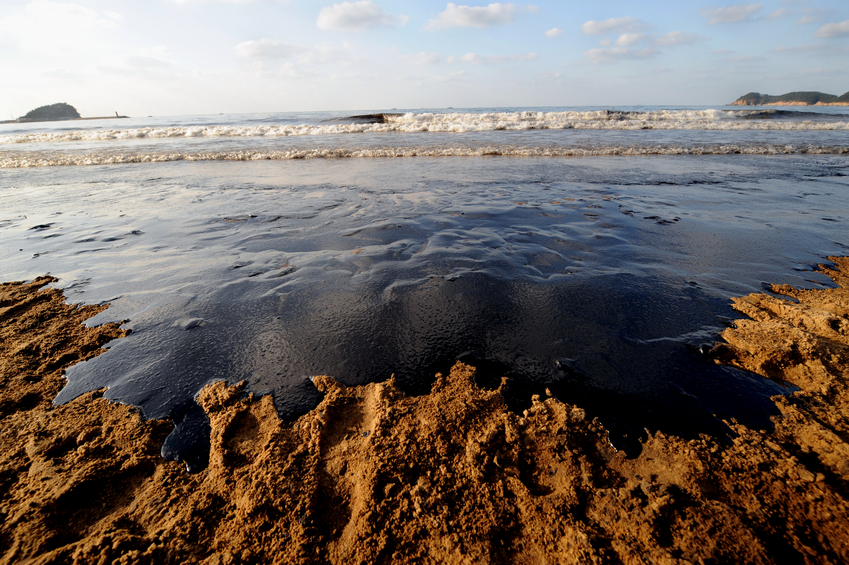
This online engineering PDH course provides an overview on the Significant New Use Rules (SNURs) in the U.S. and Significant New Activity (SNAc) provisions in Canada that help regulate and asses the use of new and existing chemical substances in both countries.
Both Canada and the United States have the authority to require notification and evaluate risks associated with substances that are new to each country and with substances that could be used in new ways: the Canadian Environmental Protection Act, 1999 (CEPA) in Canada and the Toxic Substances Control Act (TSCA) in the United States.
This 4 PDH online course is applicable to chemical and environmental engineers, as well technical staff and facility operators who are interested in gaining a better understanding of regulations concerning new and existing chemicals in the US and Canada.
This PE continuing education course is intended to provide you with the following specific knowledge and skills:
- Understanding the difference between new and existing chemicals
- Familiarizing with the Significant New Use Rules (SNURs) regulations in the US
- Learning about the Significant New Activity (SNAc) provisions in Canada
- Knowing the process, requirements and outcomes of both processes
- Learning the key differences between both processes
Upon successful completion of the quiz, print your Certificate of Completion instantly. (Note: if you are paying by check or money order, you will be able to print it after we receive your payment.) For your convenience, we will also email it to you. Please note that you can log in to your account at any time to access and print your Certificate of Completion.

This online engineering CPD course examines the moral frameworks and legal statutes that govern professional engineering practice in Nova Scotia.
This course interprets the core tenets of the official Code of Ethics, emphasizing the paramountcy of public safety, health, and environmental protection in technical decision-making. It navigates the regulatory landscape defined by the Engineering Profession Act and Association By-Laws, detailing the mandates for licensure, the lawful use of professional seals, and mandatory continuing development.
Furthermore, the course examines the administrative mechanics of the complaint and disciplinary process while analyzing real-world case studies, ranging from fraudulent stamping to professional negligence, to illustrate the legal and professional repercussions of ethical failure.
This 3 CPD online course is applicable to Professional Engineers licensed in the Province of Nova Scotia who are required to demonstrate continuing professional competency in engineering ethics as a condition for their license renewal.
This PE continuing education engineering course is intended to provide you with the following specific knowledge and skills:
- Interpreting the fundamental canons of the Nova Scotia Engineering Code of Ethics to ensure engineering conduct aligns with public welfare, integrity, and the environment.
- Navigating the requirements of the Engineering Profession Act regarding membership eligibility, licensing for non-residents, and the mandatory application of professional seals.
- Managing institutional compliance with mandatory continuing professional development (CPD) guidelines and the administrative regulations established by the Council.
- Analyzing the procedural stages of the complaint and disciplinary framework, from the initial investigation by the Complaints Committee to the issuance of formal disciplinary orders.
- Evaluating historical disciplinary cases to identify common ethical pitfalls, such as illegal practice by non-members, technical incompetence, and the impact of criminal convictions on professional standing
In this professional engineering CEU course, you need to review the course document titled “General Principles of Engineering Ethics & Statutes for Nova Scotia Professional Engineers”.
Once you complete your course review, you need to take a multiple-choice quiz consisting of ten (15) questions to earn 3 PDH credits. The quiz will be based on the entire course document.
Upon successful completion of the quiz, print your Certificate of Completion instantly. (Note: if you are paying by check or money order, you will be able to print it after we receive your payment.) For your convenience, we will also email it to you. Please note that you can log in to your account at any time to access and print your Certificate of Completion.