

Nova Scotia Electrical & Ethics/Regulatory 30 PDH Discount Package
Alternating Current (AC) Systems (E08-001)
Introduction to Transformers (E05-013)
Electrical Distribution Systems (E02-004)
Continuous Energy Improvement in Motor Driven Systems (E08-007)
General Principles of Engineering Ethics & Statutes for Nova Scotia Professional Engineers (NS3-001)

This online engineering PDH course introduces basic electrical concepts. It starts by explaining the concept of the electrostatic force and the first law of electrostatics. It defines the basic electrical terminology and its corresponding units of measure. It continues to describe the methods of producing electricity. It also describes the principle of magnetism and magnetic circuits. Finally it provides a list of basic electrical symbols used to read and interpret electrical system diagrams and schematics.
This 4 PDH online course is applicable to electrical and computer engineers, design and construction personnel, technical staff and facility operators who are interested in gaining a better understanding of the theory of electricity.
This P.Eng. continuing education course is intended to provide you with the following specific knowledge and skills:
- Understanding atoms and their forces
- Distinguishing electrical components conductors, insulators and resistors
- Understanding voltage and current
- Learning the units of electrical measurements
- Identifying the methods of producing voltage
- Understanding magnetism and magnetic circuits
In this professional engineering CEU course, you need to review Module 1, "Basic Electrical Theory" of the Department of Energy Publication DOE-HDBK-1011/2-92, "Electrical Science".
Upon successful completion of the quiz, print your Certificate of Completion instantly. (Note: if you are paying by check or money order, you will be able to print it after we receive your payment.) For your convenience, we will also email it to you. Please note that you can log in to your account at any time to access and print your Certificate of Completion.

This online engineering PDH course introduces the basic concepts of alternating current (AC) electrical circuits and discusses the associated terminology. It describes inductance and capacitance and their effects on AC circuits. It presents power calculations for single-phase and three-phase AC circuits and includes the power triangle concept.
Furthermore, it describes the operating characteristics of AC generators and includes terminology, methods of voltage production, and methods of paralleling AC generation sources. This course also explains the basic operation and application of voltage regulators. Finally, it explains the theory of operation of AC motors and discusses the various types of AC motors and their application.
This 8 PDH online course is applicable to electrical and computer engineers, design and construction personnel, technical staff and facility operators who are interested in gaining a better understanding of AC systems.
This P.Eng. continuing education course is intended to provide you with the following specific knowledge and skills:
- Understanding AC generation and analysis
- Learning inductance, capacitance, impedance and resonance
- Understanding the power triangle
- Knowing three-phase circuits
- Understanding AC generator components, theory and operation
- Identifying and learning the different components of a voltage regulator
- Understanding AC motors and different their types
- Understanding the transformers and their different types
In this professional engineering CEU course, you need to review Modules 7 to 13 of the Department of Energy Publication DOE-HDBK-1011/2-92, "Electrical Science" publication.
Upon successful completion of the quiz, print your Certificate of Completion instantly. (Note: if you are paying by check or money order, you will be able to print it after we receive your payment.) For your convenience, we will also email it to you. Please note that you can log in to your account at any time to access and print your Certificate of Completion.

This online engineering PDH course describes the basic concept, function, types, and the different components of electrical transformers.
A transformer is an electrical equipment that transfers energy from one circuit to another by electromagnetic induction. They are often used to convert between high and low voltages (step-up or step down). Transformers and their components vary depending on the application and are available in several different configurations.
This 5 PDH online course is applicable to electrical and mechanical engineers, maintenance personnel and other technical staff who are interested in gaining a better understanding of transformers.
This P.Eng. continuing education course is intended to provide you with the following specific knowledge and skills:
- Understanding the function of transformers and their physical characteristics
- Familiarizing with the different components of transformers
- Learning how to identify a transformer as step-up or step-down and state the current ratio of a transformer when given the turns ratio
- Learning the mathematical relationship between the power in the primary and the power in the secondary of a transformer
- Understanding the basics of the different types of transformers
Upon successful completion of the quiz, print your Certificate of Completion instantly. (Note: if you are paying by check or money order, you will be able to print it after we receive your payment.) For your convenience, we will also email it to you. Please note that you can log in to your account at any time to access and print your Certificate of Completion.
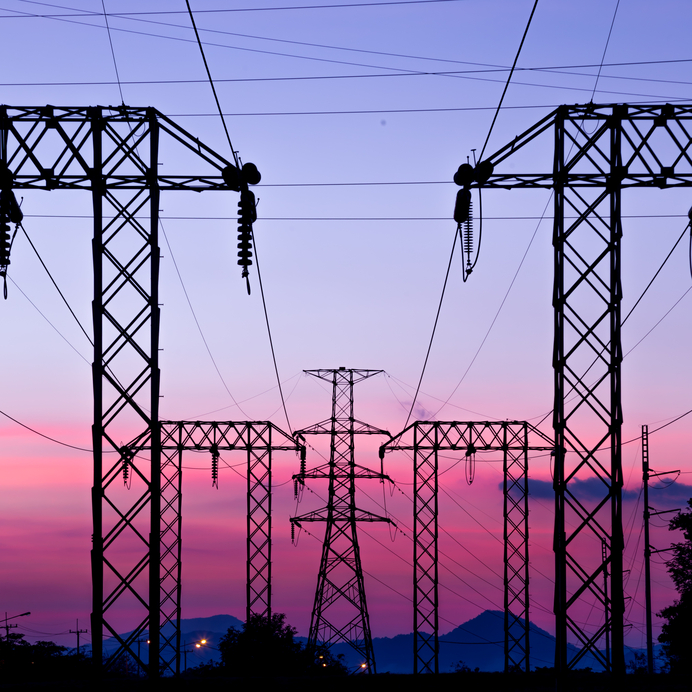
This online engineering PDH course describes basic electrical distribution systems including system components and protection devices. It also presents the characteristics of system design, such as circuit breakers, motor controllers, wiring schemes and grounding, to ensure personnel and equipment safety.
This 2 PDH online course is applicable to electrical and computer engineers, design and construction personnel, technical staff and facility operators who are interested in gaining a better understanding of electrical distribution systems.
This P.Eng. continuing education course is intended to provide you with the following specific knowledge and skills:
- Understanding of system components and protection devices
- Learning about circuit breakers and motor controllers
- Understanding wiring schemes and grounding
In this professional engineering CEU course, you need to review Module 15, "Electrical Distribution Systems" of the Department of Energy Publication DOE-HDBK-1011/2-92, "Electrical Science".
Upon successful completion of the quiz, print your Certificate of Completion instantly. (Note: if you are paying by check or money order, you will be able to print it after we receive your payment.) For your convenience, we will also email it to you. Please note that you can log in to your account at any time to access and print your Certificate of Completion.
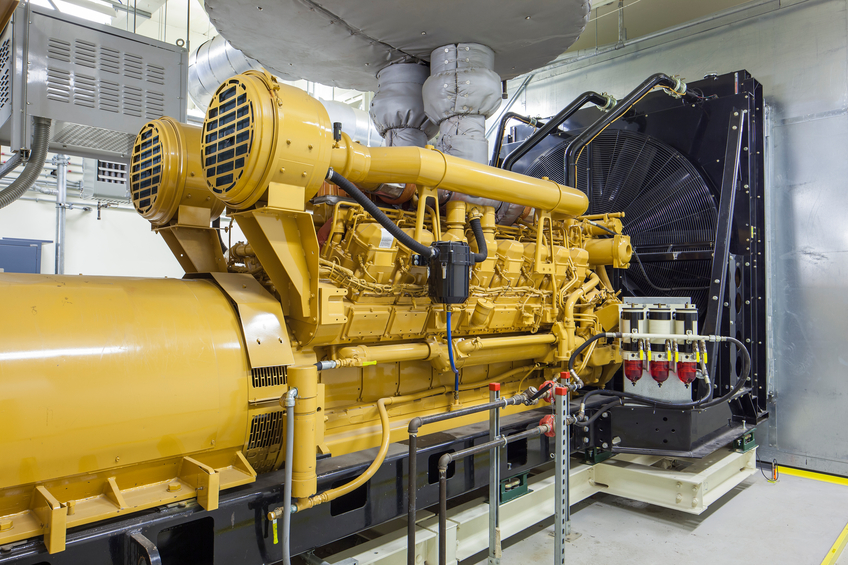
This online engineering PDH course presents the fundamental information and necessary guidance required to assist the Manufacturing and Process industries in optimizing their electric motor driven systems which leads to substantial energy / cost savings.
Electric motors are among the least well-managed industrial equipment, even though motor-driven equipment accounts for approximately 70% of the electrical energy consumed by process industries and approximately 90% for electrical intensive industries. Motors that are not properly managed can result in billions of dollars in wasted energy and operating costs to an industry.
A detailed analysis of the U.S. motor systems inventory indicates that this energy use could be reduced by 11% to 18% if plant managers implement all cost-effective applications of mature and proven energy efficiency technologies and practices. It is worth noting that the suggested improvements are not necessarily limited to the U.S., but can be implemented in any industry around the world that utilizes motor driven systems.
This 8 PDH online course is applicable to electrical, mechanical, and industrial engineers as well as other technical personnel interested in learning more about improving the operation of motor driven systems.
This P.Eng. continuing education course is intended to provide you with the following specific knowledge and skills:
- Familiarizing with motor energy management and best practices
- Understanding the different types of utility charges
- Learning about the steps involved in conducting a motor survey
- Familiarizing with motor specification and selection considerations
- Estimating motor load and efficiency
- Analyzing motor efficiency opportunities
- Conducting plans for improving motor efficiency
- Familiarizing with the opportunities to improve system efficiencies
- Understanding the importance and practicality of power factor correction
Upon successful completion of the quiz, print your Certificate of Completion instantly. (Note: if you are paying by check or money order, you will be able to print it after we receive your payment.) For your convenience, we will also email it to you. Please note that you can log in to your account at any time to access and print your Certificate of Completion.

This online engineering CPD course examines the moral frameworks and legal statutes that govern professional engineering practice in Nova Scotia.
This course interprets the core tenets of the official Code of Ethics, emphasizing the paramountcy of public safety, health, and environmental protection in technical decision-making. It navigates the regulatory landscape defined by the Engineering Profession Act and Association By-Laws, detailing the mandates for licensure, the lawful use of professional seals, and mandatory continuing development.
Furthermore, the course examines the administrative mechanics of the complaint and disciplinary process while analyzing real-world case studies, ranging from fraudulent stamping to professional negligence, to illustrate the legal and professional repercussions of ethical failure.
This 3 CPD online course is applicable to Professional Engineers licensed in the Province of Nova Scotia who are required to demonstrate continuing professional competency in engineering ethics as a condition for their license renewal.
This PE continuing education engineering course is intended to provide you with the following specific knowledge and skills:
- Interpreting the fundamental canons of the Nova Scotia Engineering Code of Ethics to ensure engineering conduct aligns with public welfare, integrity, and the environment.
- Navigating the requirements of the Engineering Profession Act regarding membership eligibility, licensing for non-residents, and the mandatory application of professional seals.
- Managing institutional compliance with mandatory continuing professional development (CPD) guidelines and the administrative regulations established by the Council.
- Analyzing the procedural stages of the complaint and disciplinary framework, from the initial investigation by the Complaints Committee to the issuance of formal disciplinary orders.
- Evaluating historical disciplinary cases to identify common ethical pitfalls, such as illegal practice by non-members, technical incompetence, and the impact of criminal convictions on professional standing
In this professional engineering CEU course, you need to review the course document titled “General Principles of Engineering Ethics & Statutes for Nova Scotia Professional Engineers”.
Once you complete your course review, you need to take a multiple-choice quiz consisting of ten (15) questions to earn 3 PDH credits. The quiz will be based on the entire course document.
Upon successful completion of the quiz, print your Certificate of Completion instantly. (Note: if you are paying by check or money order, you will be able to print it after we receive your payment.) For your convenience, we will also email it to you. Please note that you can log in to your account at any time to access and print your Certificate of Completion.