

Geoid Monitoring Techniques for the National Spatial Reference System
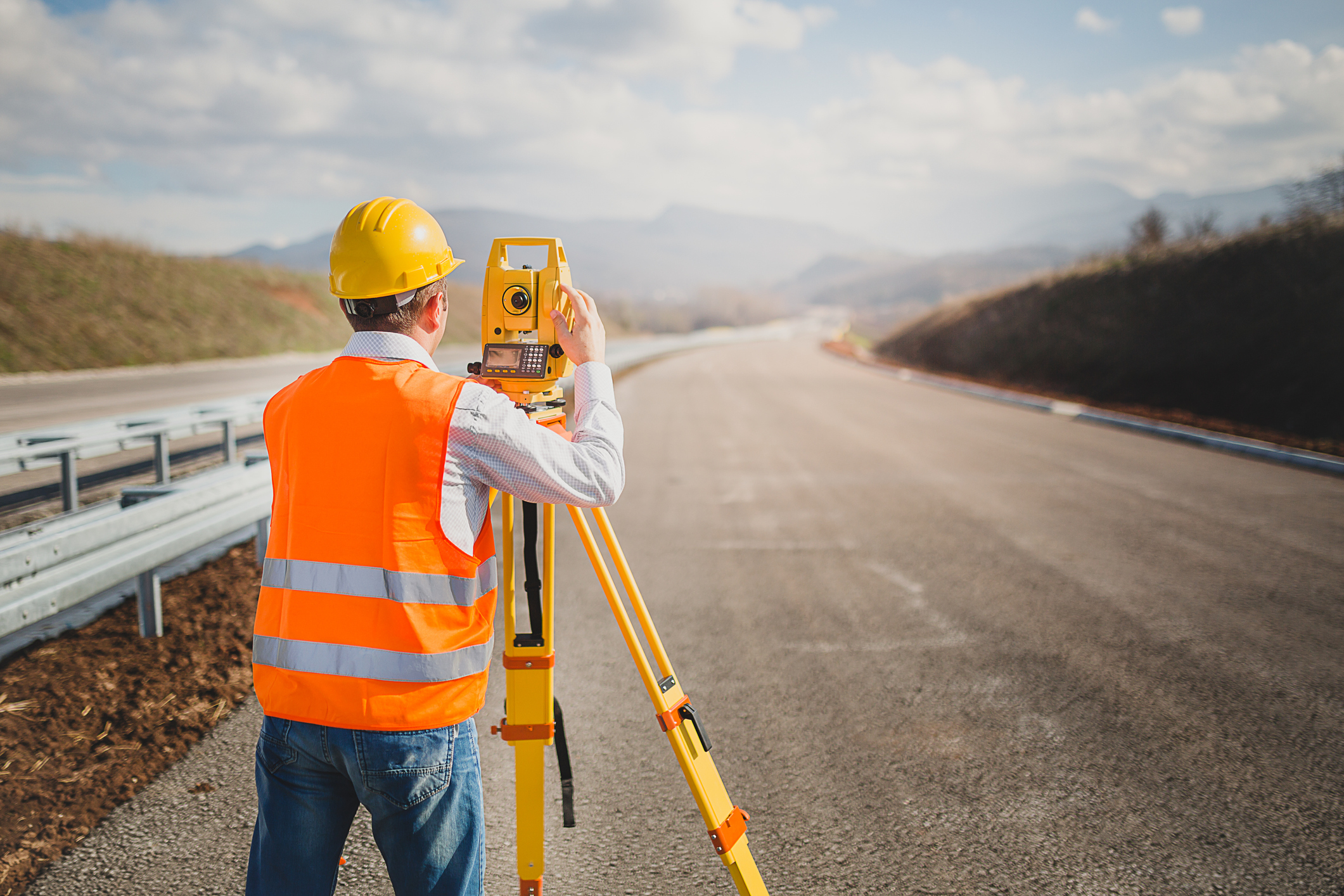
This online land surveying CPD course examines the principles associated with geoid monitoring and the Geoid Monitoring Service (GeMS).
This course focuses on geophysical processes causing geoid change, such as Glacial Isostatic Adjustment (GIA), ice mass loss, and tectonic events. It defines terrestrial gravity instrumentation including FG5 and A10 absolute gravimeters, while evaluates external methods like satellite gravimetry (GRACE/GRACE-FO) and InSAR. Furthermore, this course examines validation schemes like GeMS Validation Surveys (GeMS-VS) and future technologies such as cold-atom gravimeters and optical atomic clock networks.
In addition, this course explores the core of real-world geodetic monitoring systems, geophysical models, gravity networks, and satellite observations. It explains how geoid monitoring techniques work, how to evaluate their feasibility and accuracy, and how to align system design with performance goals, all rooted in real-world geospatial applications.
This 7 CPD online course is applicable to civil engineers, surveyors, as well as other technical professionals who are interested in learning more about geoid monitoring techniques.
This PLS continuing education course is intended to provide you with the following specific knowledge and skills:
- Defining the geoid and explaining the operational necessity for a Geoid Monitoring Service (GeMS) to maintain vertical datum accuracy
- Identifying terrestrial gravity techniques, including the use of absolute (FG5/A10) and relative (CG-6) gravimeters
- Analyzing the role of satellite gravimetry (GRACE/GRACE-FO) and mascon models in tracking broad-scale temporal changes to the Earth’s gravity field
- Evaluating the impact of geophysical phenomena such as GIA, ice-mass balance, and earthquakes on the shape of the geoid and orthometric heights
- Describing validation schemes for geopotential models, including GeMS Validation Surveys (GeMS-VS) and the integration of NOAA CORS Network data
- Understanding anticipated future technologies for geoid monitoring, such as chronometric geodesy using optical atomic clock networks and cold-atom gravimetry
Upon successful completion of the quiz, print your Certificate of Completion instantly. (Note: if you are paying by check or money order, you will be able to print it after we receive your payment.) For your convenience, we will also email it to you. Please note that you can log in to your account at any time to access and print your Certificate of Completion.