

Coastal Wave Runup and Overtopping for Flood Risk Analysis and Mapping
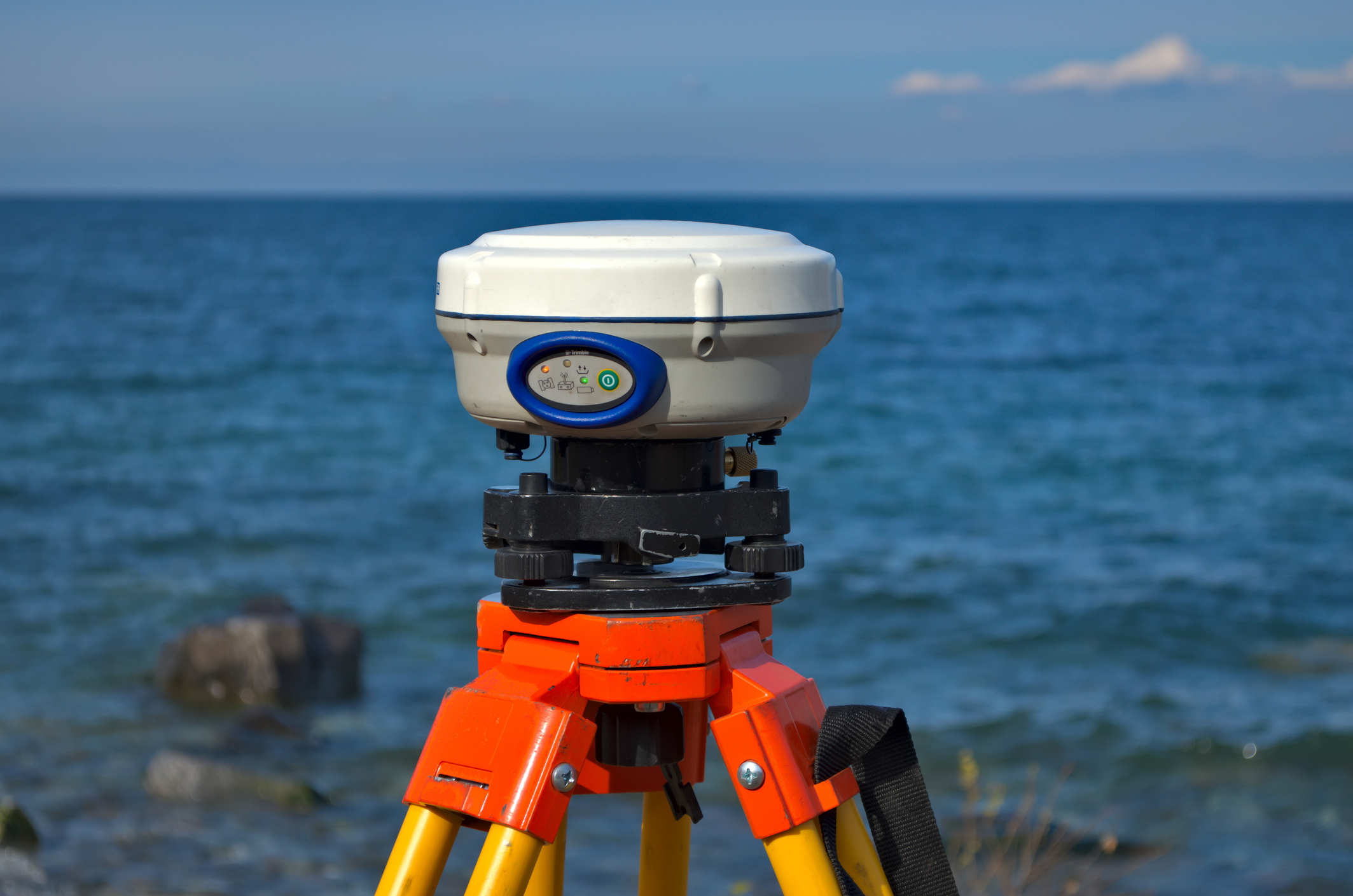
This online land surveying CPD course covers the principles involved in analyzing coastal wave runup and overtopping as part of flood hazard mapping and risk studies.
This course focuses on wave runup and overtopping theory, including the use of the Iribarren number to describe breaking kinematics and the application of empirical formulas like Hunt, Stockdon, and TAW. It describes modeling considerations for 1-D transect analysis, such as statistical approaches (event selection vs. response-based) and the extraction of forcing conditions from 2-D models. Furthermore, this course examines floodplain mapping requirements for VE, AE, AO, and AH zones, specifically looking at lateral and inland extents based on shoreline settings and overtopping rates.
In addition, this course explores the core of real-world coastal engineering analysis, theoretical wave physics, empirical modeling, and spatial mapping of flood hazards. It explains how wave-induced hazards work, how to select the right analytical methods, and how to align system design with performance goals, all rooted in real-world FEMA flood insurance studies.
This 2 CPD online course is applicable to civil engineers, surveyors, as well as other technical professionals who are interested in learning more about coastal wave runup and overtopping.
This PLS continuing education course is intended to provide you with the following specific knowledge and skills:
- Explaining the physical processes of wave runup and overtopping and their role in determining Base Flood Elevations (BFEs) and Special Flood Hazard Areas
- Evaluating diverse analytical methods and computer models, such as ACES, Runup 2.0, and CSHORE, based on specific shoreline settings and Iribarren numbers
- Analyzing forcing conditions and statistical approaches, including event selection and response-based methods, to characterize 1% annual-chance flood hazards
- Identifying lateral and inland floodplain extents to accurately map high-velocity (VE) zones and overtopping-dominated regions
- Applying technical standards for FEMA study documentation, ensuring that modeling procedures for erosion, structure failure, and toe scour are technically defensible
- Determining the appropriate use of reduction factors for roughness, berms, and wave directionality to refine the accuracy of hazard assessments
Upon successful completion of the quiz, print your Certificate of Completion instantly. (Note: if you are paying by check or money order, you will be able to print it after we receive your payment.) For your convenience, we will also email it to you. Please note that you can log in to your account at any time to access and print your Certificate of Completion.